CX Keynote Speakers · Scott Steinberg

CX Keynote Speaker and #1 Customer Experience Futurist

Celebrity CX keynote speaker and consulting expert Scott Steinberg is a futurist thought leader, business strategist and consultant who presents on customer experience to leadership teams, executive groups and conference audiences. As a world-famed strategic advisor, the famous CX keynote speaker has served as a consulting expert and SME for more than 3,000 organizations across 25 years, written over 30 books, published more than 5,000 articles, and appears on TV and radio networks such as ABC, CBS, CNN and NBC.

Global CX keynote speaker, breakout presenters and training workshop facilitator programs cover areas like customer journey design, experience measurement, artificial intelligence across the customer relationship, personalization, loyalty economics, employee experience and the operating model that holds a program together. Delivered as main-stage keynotes, executive briefings, workshops, moderated sessions and virtual programs.

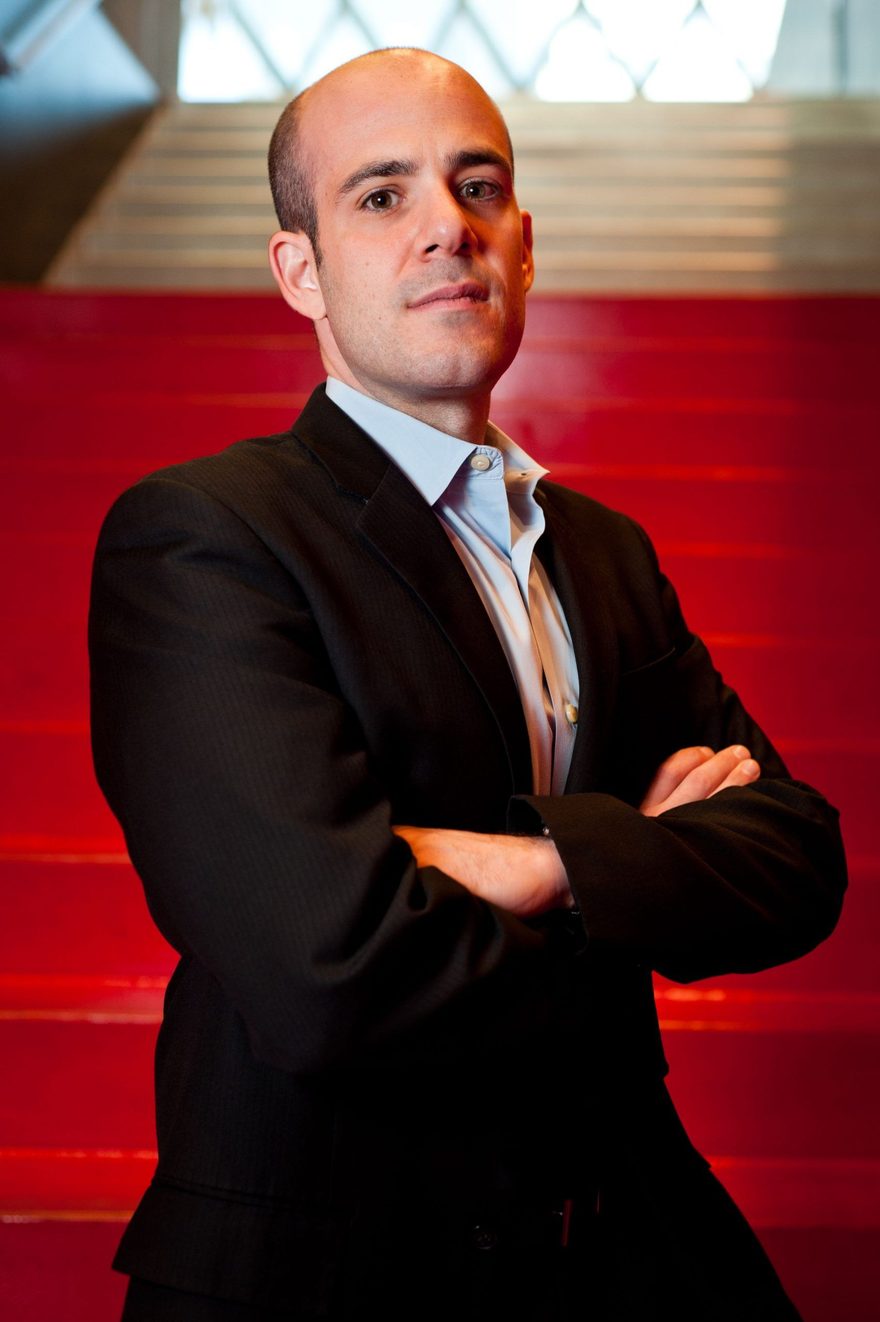
Scott Steinberg, customer experience and CX keynote speaker and business trends analyst
Scott Steinberg — CX keynote speaker, analyst and business strategist.
3,000+
Organizations advised, from startups and associations to government agencies and Fortune 500 firms
30+ years
CX, customer service, keynote speaker, corporate strategy and thought leadership consulting experience
30+
Books published on technology, innovation, business, customer service, CX and marketing
5,000+
Published articles, with media appearances on Good Morning America, CNN and The TODAY Show

CX Keynote Speaker and Expert Topics

Below you'll find the audience that each sample topic tends to land with best and the form that it usually takes, which makes matching a subject to your room quicker. Most programs pair two or three, and the final content is built, customized and adapted to your audience after a planning call.

Cross-functional teams

Keynote or workshop, 45–90 min

Journey design and what customers actually encounter

Like top CX keynote speakers remind, a journey map drawn in a conference room and the path a clients walks in practice are two different artifacts, and the distance between them is where most experience work lives. Programs cover how leading organizations find that distance, what they do about the handoffs between functions where it usually opens up, and how journey work earns its keep when it reaches operations rather than stopping at the wall.

Pairs well with a workshop block where the group applies the material to one of their own journeys.

CX and insights teams

Keynote or briefing, 45–60 min

Experience measurement and voice of customer

Per famous CX keynote speakers, every experience program carries a number it reports upward, and the interesting question is what that number is actually telling the organization. Sessions address what the common experience metrics capture and what sits outside them, how leading programs combine survey data with behavioral and operational signals, and how to build a measurement story an executive team finds credible.

Pairs well with a leadership session on what to report, how often, and to whom.

Whole-conference audience

Main-stage keynote, 45–60 min

Artificial intelligence across the customer relationship

AI now touches the experience at many points at once: how a customer is routed, what they are shown, how quickly a question resolves, and what a representative sees on screen. Talks separate what is deployed and working from what is a demonstration with a roadmap attached, and cover what adoption genuinely requires of an organization and its people.

Pairs well with an executive briefing on which use cases to sequence first.

Service and digital teams

Keynote, 45–60 min

Digital self-service and the assisted handoff

Customers resolve more on their own every year, which concentrates the remaining contacts into the harder, higher-stakes ones. Programs cover where self-service genuinely serves the customer, how the strongest organizations design the moment a person takes over, and what that shift means for how a support team is staffed, trained and valued.

Pairs well with a working session on mapping the handoff points in your own channels.

Marketing and CX leadership

Keynote or briefing, 45–60 min

Personalization and the data behind it

Personalization promises a relationship that recognizes the customer, and delivering it depends on data arriving where it is needed at the moment it matters. Sessions address what customers find genuinely useful versus merely conspicuous, what the underlying data work actually requires, and how privacy expectations shape what a brand can comfortably do.

Pairs well with a session on measurement, since personalization claims live or die on attribution.

Executives and finance

Executive briefing, 60–90 min

Loyalty, retention and the economics of experience

The case for experience investment gets made in financial terms or it does not get made at all. This session covers how organizations connect experience work to retention, share of wallet and cost to serve, which of those links the evidence supports well, and how CX leaders build a business case that survives contact with a CFO.

Pairs well with a board or executive committee slot where the investment decision actually sits.

HR, operations and CX together

Keynote, 45–60 min

Employee experience as an experience driver

The quality a customer receives is bounded by what the person serving them is equipped and empowered to do. Sessions cover how the strongest organizations connect the two deliberately, what tooling, authority and information the front line needs, and why employee retention keeps showing up in customer outcomes whether or not anyone planned for it to.

Pairs well with a joint HR and CX leadership session, which is where this one usually belongs.

CX leadership and sponsors

Closed briefing, 60–90 min

Experience ownership and the operating model

Experience crosses every function, which raises the practical question of who owns it and what authority that ownership carries. Offerings address the operating models organizations use, where decision rights and budget sit in each, how CX teams build influence across functions they do not control, and what distinguishes a program with real traction from one producing well-received reports.

Pairs well with an executive sponsor conversation about mandate and reporting line.

Account and client teams

Keynote or workshop, 45–90 min

Customer experience in B2B relationships

B2B experience runs on a different footing: buying groups rather than individuals, long contracts, renewal cycles and relationships that survive individual transactions. Sessions cover what B2B organizations can usefully borrow from consumer experience practice, what simply does not transfer, and how account and client success teams build an experience their customers notice at renewal.

Pairs well with a client success or account management team session.

Whole-conference audience

Main-stage keynote, 45–60 min

Where customer expectations are heading

Customers calibrate what they expect from every company against the best experience they had anywhere, in any category, that week. Talks trace where those reference points are being set now, which expectations are becoming permanent rather than fashionable, and what an organization can reasonably do to stay ahead of a bar that keeps moving.

Pairs well with an opening or closing general session built around the conference theme.

Industries and Audiences

CX keynote speaker and customer experience consulting work travels across sectors while the constraints differ sharply, so the examples in a session are drawn from the room's own category.

  • Retail and e-commerce
  • Banking and financial services
  • Insurance
  • Healthcare and health plans
  • Travel and hospitality
  • Telecommunications
  • Utilities and energy
  • SaaS and technology
  • Automotive and dealer networks
  • Consumer products
  • Credit unions and member organizations
  • Professional services
  • Logistics and delivery
  • Media and subscription businesses
  • Government and public services
  • Education
  • Real estate and property
  • Associations and nonprofits

Formats available

A single date often carries more than one of these, and pairing a main-stage keynote with a closed executive session later the same day is the most requested combination.

Main-stage keynote

A general session shaped around your conference theme for a mixed audience, usually 45 to 60 minutes with time for questions at the end.

Executive briefing

A closed session for a leadership team or board, run as structured conversation and pointed at the decisions currently in front of them.

Working session

A longer block where the group applies the material to their own journeys, metrics or operating model and leaves having decided something.

Moderation and fireside

Panel moderation, one-on-one interviews with executives or customers, and hosted segments where the program needs a guide more than a speaker.

Summit or team offsite

A session for one organization's own CX function, pitched at where that program currently sits rather than at the field in general.

Virtual and hybrid

A shorter, interaction-forward session designed for a remote room, suitable for distributed teams and for programs running across regions.

Planning an engagement

The points planners usually raise first, set out here so you do not have to ask.

Booking windowSpring and fall conference season commits earliest. Outside those stretches the calendar opens up considerably, and a date worth asking about is worth sending even late.
InvestmentPriced per engagement rather than from a rate card, since date, destination, format, travel and the portion of the day involved all bear on it. Association, nonprofit and multi-date arrangements get their own conversation.
Travel and originTravels from NYC, New York, with dates accepted across North America and internationally. Travel terms are written into the engagement agreement.
Remote deliveryVirtual and hybrid sessions are constructed for a screen audience, with a shorter arc and interaction that functions remotely. Well suited to CX teams split across regions.
Pre-event discoveryA planning call establishes your theme, the composition of the room, where your experience program currently stands, and the shift you want in the audience afterward. Content follows from that.
Technical needsA confidence monitor, lavalier or headset microphone, HDMI input and presentation from his own machine. Slides can go to your production team ahead of the date on request.
Promotional assetsHeadshots, biographies at several lengths, a session title and abstract, and copy your marketing team can drop straight into registration pages and attendee emails.
Extending the dayExecutive meet-and-greets, sponsor and VIP receptions, press and analyst interviews, breakout sessions, book signings and recorded segments all attach to a speaking date.
Capture and reuseRecording for internal distribution or on-demand attendee access is usually workable, with the terms settled in writing before the event.

Where this fits on your agenda

These sessions supply perspective and direction: where experience practice is heading across industries, what the evidence supports, and how leading organizations are acting on it. They work as the keynote that frames a CX conference, the briefing that aligns an executive team, or the working session that moves a program from analysis to decisions.

They complement rather than replace the specialist work around them. Research vendors run your voice-of-customer instrumentation, platform partners configure your technology, and implementation consultancies carry out long engagements inside your operation. Those teams do that well. Planners who mention during the planning call which of them are already engaged get a session that builds on their work instead of talking over it.

About Scott Steinberg

Scott Steinberg is an analyst, consultant and business trends expert with over 25 years of experience advising more than 3,000 businesses and brands, from startups to government agencies and Fortune 500 firms.

He is the author of over 30 books and has published more than five thousand articles covering technology, marketing, leadership, innovation, advertising and digital transformation. He appears regularly on ABC, CBS, CNN and NBC.

He has led seminars, keynotes and training programs for organizations including Wells Fargo, the PGA Tour, Century 21, Ford, Dell and Procter & Gamble, and has been recognized by the International Association for Scholastic Excellence, Fortune and the 21st Century Icon Awards.

CX Keynote Speaker FAQ

What is a CX keynote speaker?

A CX keynote speaker addresses customer experience as a discipline: how organizations design, measure, staff and govern the experience a customer has across every point of contact. The sessions are strategic rather than procedural, aimed at the people shaping an experience program and the executives funding it, and built around where the field is heading rather than around one organization's methodology.

What does CX stand for?

CX is the common abbreviation for customer experience, meaning the whole of what a customer encounters across a relationship with an organization, from first discovery through purchase, service, renewal and advocacy. It is broader than customer service, which refers specifically to the support function, and broader than user experience, which refers to the design of a particular product or interface.

How is a CX keynote different from a customer service keynote?

A customer service session is aimed at the support function and the people working in it, covering service technology, frontline practice and how support work is changing. A CX session takes the wider frame: journey design across functions, experience measurement, operating models, loyalty economics and executive sponsorship. Conferences often want both, in which case they usually sit on different days or different tracks.

Which topics suit which audience?

Journey design works well for cross-functional rooms, measurement for CX and insights teams, loyalty economics for executives and finance, self-service for service and digital groups, personalization for marketing and CX leadership, employee experience for joint HR and operations sessions, operating model for CX leadership and their sponsors, and the expectations material for a whole-conference general session.

How long is a session, and what formats are available?

Main-stage keynotes run 45 to 60 minutes with questions. Executive briefings run 60 to 90 minutes as a discussion. Working sessions run 90 minutes to a half day. Virtual sessions run 30 to 45 minutes. Panel moderation and fireside interviews are also available, and a keynote paired with a closed executive session later the same day is the most common combination.

What does it cost to book him?

Engagements are priced individually rather than from a published rate, because the date, the destination, the format, travel and how much of the day is committed all bear on the figure. Association, nonprofit and multi-date arrangements get their own conversation. Send the particulars and a number comes back.

How early do dates need to be locked in?

Conference season in spring and fall commits earliest, and a main-stage slot in those months is worth securing well in advance. Outside those stretches the calendar is considerably more open, and late requests are worth making, because schedule changes and virtual formats free up dates that look closed from the outside.

How is a session built for our specific program?

A planning call establishes your theme, who is in the room, where your experience program currently stands, what previous speakers have covered and what you want to be different afterward. The session is constructed from that conversation, with examples drawn from your own industry. Nothing arrives from a stock deck.

Can sessions be delivered virtually?

Yes. Virtual and hybrid sessions are constructed for a screen audience rather than adapted from a stage talk, running shorter and carrying interaction that works at a distance. They suit experience teams spread across regions and programs that bring people together without travel budget.

Will the examples match our industry?

Yes, and that is settled during the planning call. Experience work rhymes across sectors while the constraints differ sharply, so a session for a health plan, a retailer and a logistics business draws on quite different cases even when the underlying subject is the same. Tell us the category and the material gets sourced from it.

Can he moderate a panel or interview a customer on stage?

Yes. Panel moderation, one-on-one interviews with executives or customers, and hosted segments across a full program are all available, either on their own or alongside a keynote elsewhere in the agenda.

How do we check availability?

Email info@futuristsspeakers.com or call 202-301-6730 with the date, the city, the audience and the format you have in mind. An answer on availability and investment comes back directly.
Check a date

Send the date, the destination, who will be in the room and the shape you have in mind. Availability and an investment figure come back directly, along with an honest word if the fit is wrong.

Email about a date

Based in
New York City — available worldwide
Formats
In person, virtual and hybrid